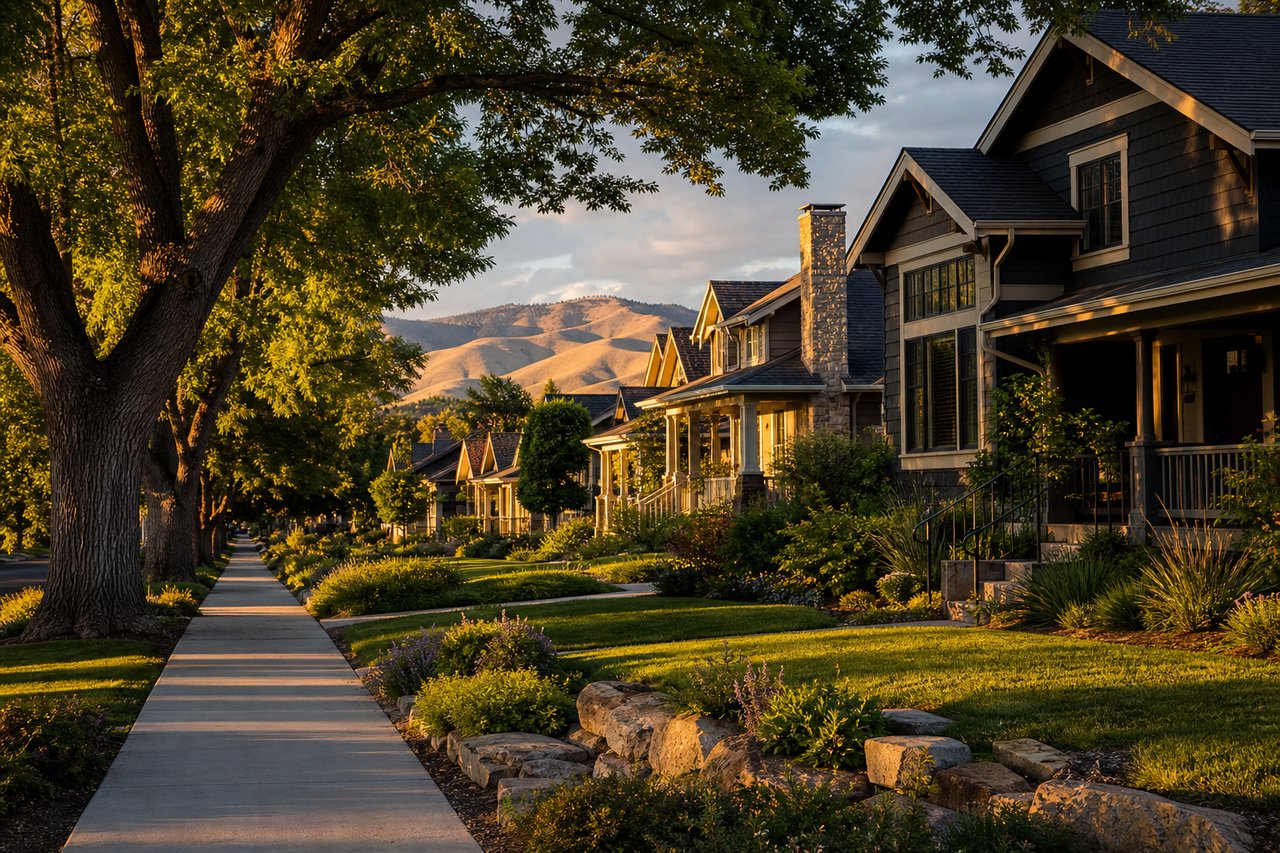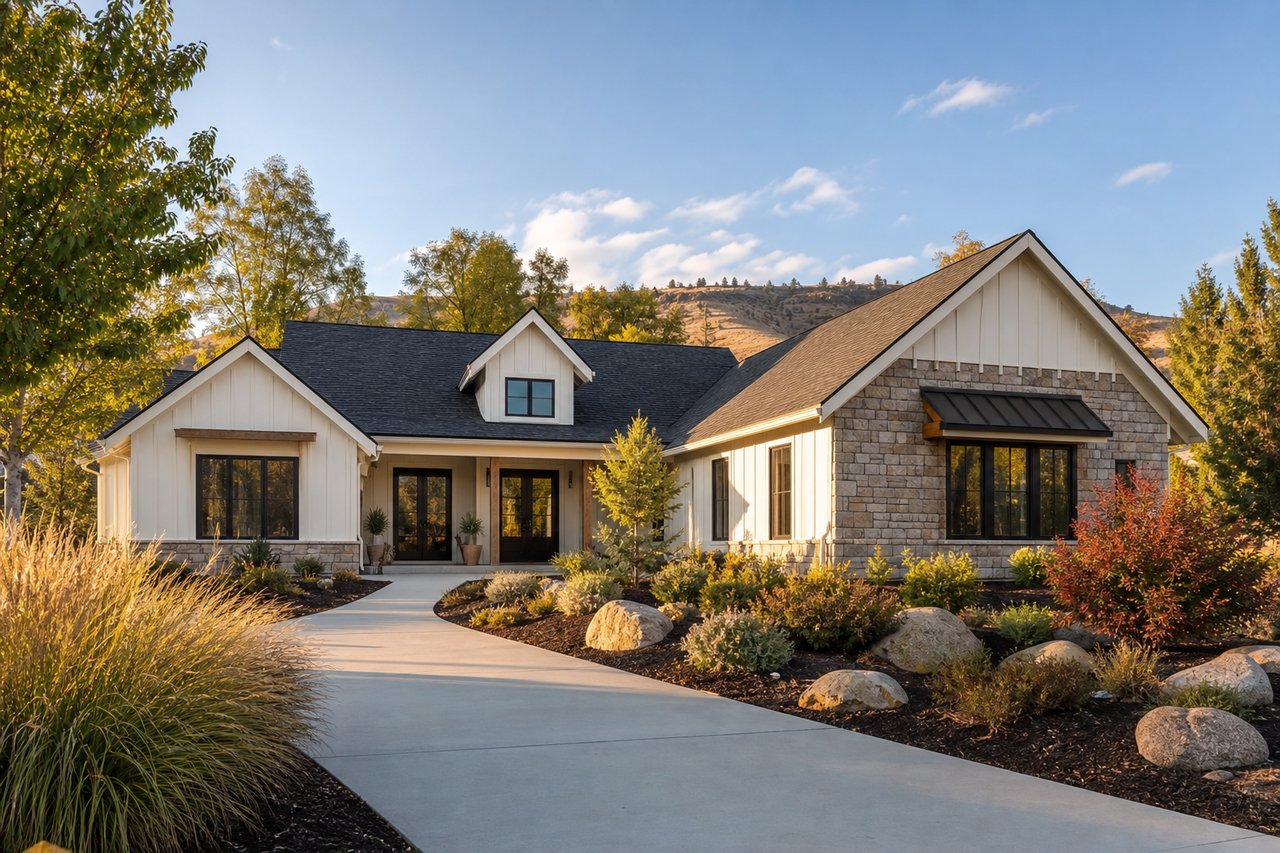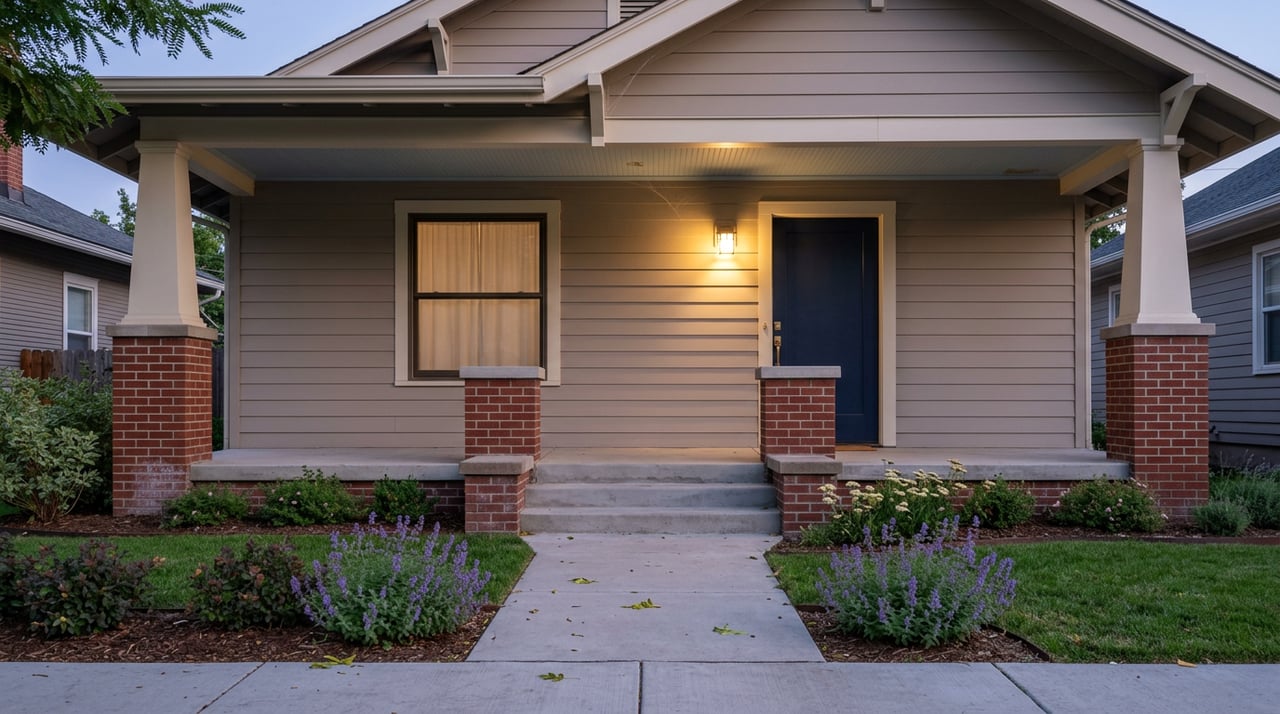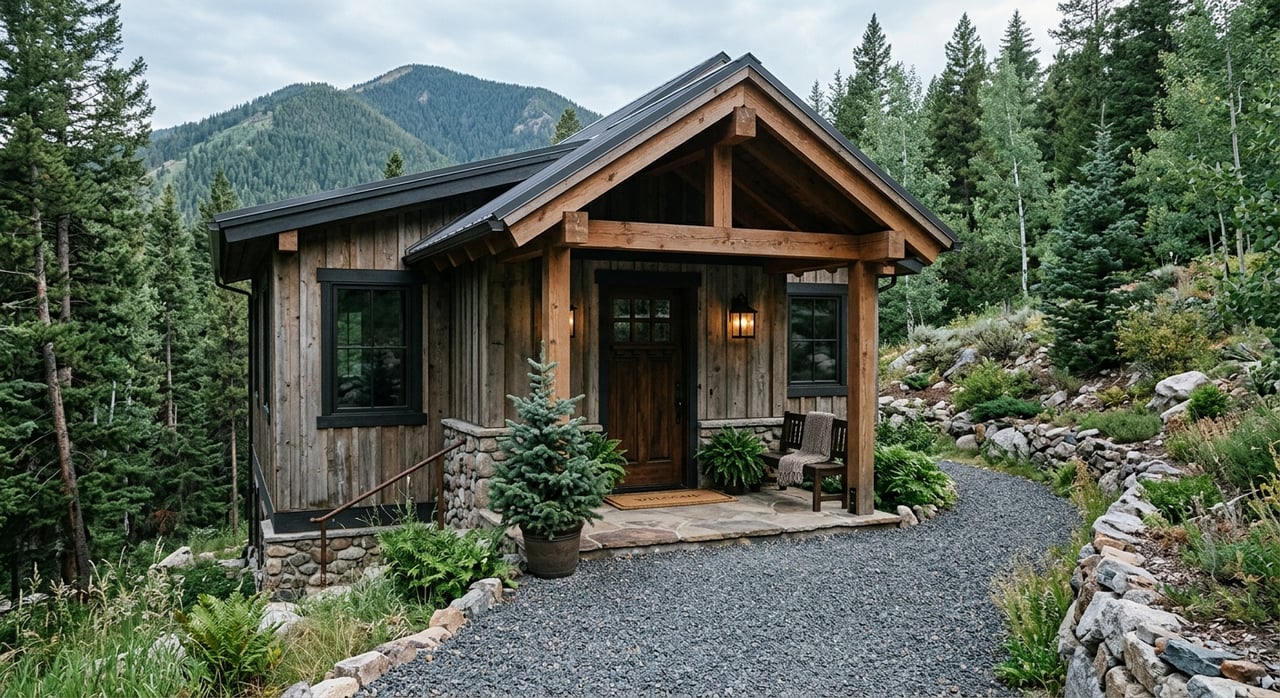
Dreaming about a mountain cabin near Boise? Idaho City can be a great fit if you want a slower pace, four-season scenery, and a home with character. But buying here is not quite the same as buying in a typical suburban neighborhood, and the details behind the property matter just as much as the view. This guide will walk you through what to look for when buying a mountain cabin or home in Idaho City, from roads and utilities to permits and wildfire planning, so you can move forward with more confidence. Let’s dive in.
Why Idaho City Buying Is Different
When you buy in Idaho City, one of the first things to confirm is whether the property is inside city limits or in unincorporated Boise County. According to the Boise County Comprehensive Plan, roads, water service, and utility setups can change depending on where the parcel sits.
That matters because one home may have access to city water or sewer, while another may rely on a private well, septic system, and private road access. In other words, two properties that look similar online can come with very different ownership responsibilities.
Common Idaho City Property Setups
Understanding the basic property type can help you ask better questions early in the process. In Idaho City, buyers often run into a few common setups.
City-lot homes and cabins
Some properties inside city limits are connected to city services. Idaho City’s building permit application materials state that properties served by city water and or sewer must complete the required service application and contract before a building permit is issued.
The city’s 2024 water report also states that Idaho City’s drinking water comes from Elk Creek and Well #2. If you are buying a home in town, it is still smart to verify exactly which services are connected and whether any future work on the property would trigger additional city requirements.
Rural homes outside city limits
Many mountain properties outside city limits are more self-sufficient. Boise County says unincorporated homes commonly rely on individual groundwater wells or surface springs, and Central District Health reviews septic systems and private-water records.
This setup is common in rural Idaho, but it does mean your due diligence needs to go deeper. You will want to learn how the water source is documented, whether the septic system is approved, and what records exist for both.
Subdivision lots with private roads
Some Idaho City area properties are in subdivisions or small developments with private access roads. Boise County defines a private road as one that is not dedicated to public use or maintained by the county, and private common-use roads remain the responsibility of the developer or HOA until a public entity accepts them.
That distinction can affect maintenance, winter access, and long-term costs. If a listing mentions shared access, private roads, or HOA road maintenance, it is worth slowing down and reviewing the details carefully.
Older manufactured or mobile homes
If you are considering an older manufactured or mobile home, pay close attention to the year it was built. Boise County states that manufactured or mobile homes built before June 15, 1976 must be rehabilitated and approved before a building permit is issued for certain work.
That does not automatically rule out a property, but it does mean you should verify documentation before moving ahead. Older mountain properties can be appealing, but the paper trail matters.
Roads and Access Matter More Here
In Idaho City, road access is not a minor detail. It is one of the biggest parts of the buying decision.
According to the Boise County Comprehensive Plan, roads inside incorporated Idaho City are maintained by the city, county roads are maintained by Boise County Road & Bridge, and private roads are not county-maintained. That means you should confirm not just how to reach the property, but who is responsible for keeping that access usable.
Winter usability is a real concern
Boise County specifically notes that poor weather, unplowed roads, steep driveways, and limited access can delay fire suppression and endanger homes and lives. In a mountain area, that is not just a seasonal inconvenience. It can affect safety, insurance conversations, and your day-to-day use of the home.
If you are buying for full-time living, part-time use, or as a second home, ask how the road performs in winter. A beautiful cabin feels very different if the driveway is steep, access is limited, or snow removal is unclear.
Driveway permits can matter too
Boise County’s building permit procedures require a Road & Bridge application for a new driveway that enters an existing county road. If the property has newer access improvements, it is reasonable to ask whether the required county approvals were obtained.
This is especially important if you plan to build, expand, or significantly improve the property later. Access questions can affect both current use and future plans.
Water and Septic Need Extra Attention
One of the biggest differences between buying in-town and buying rural property near Idaho City is how water and wastewater are handled. You should confirm this early, because it shapes your inspections, records review, and future maintenance responsibilities.
City water and sewer properties
For city parcels, Idaho City’s permit materials show that properties within city limits and served by city water and or sewer must complete the city’s services application and connection process before a building permit is issued. If you are buying an existing home, confirm what is already connected and whether any past additions or improvements were handled properly.
Even if a home is turnkey, utility history still matters. It is helpful to know whether a shop, garage, addition, or deck was added with the right approvals.
Private wells and septic systems
For rural parcels, private systems are often part of the package. Central District Health states that private well owners are responsible for making sure their water is safe to drink, and it recommends annual testing for bacteria and nitrates through its water, wastewater, and septic resources.
CDH also offers private-water sample applications and mortgage surveys for wells and septic systems, which can be useful before closing. If a property relies on a well and septic, these records can help you understand what is known, what has been approved, and what may need follow-up.
Permit History Is Part of the Property
In a mountain market, permit history can be just as important as the floor plan. Boise County’s permit procedures say new construction permits cannot be issued without an issued septic permit from Central District Health, and the site plan must show the driveway, well, septic, setbacks, and defensible space.
The county also states that structures requiring a building permit must have state-certified inspections, and a permit expires if work is not started within 180 days. If you are buying a home with additions, detached structures, decks, garages, or other visible improvements, documentation matters.
Idaho City also provides building permit information and residential review guides for common projects such as additions, decks, garages, and pole barns. These resources can help clarify what kinds of work may have required review.
Wildfire Preparedness Should Be on Your Checklist
Wildfire planning is a core part of buying rural and mountain property in this area. It is not something to leave until after closing.
Boise County’s WUI ordinance requires defensible space, access standards for emergency vehicles, water supply for fire protection, and a fire mitigation plan based on site-specific wildfire risk. The county’s comprehensive plan also points to water availability, poor access, and lack of defensible space as major concerns in rural areas.
What this means for buyers
When you tour a property, look beyond the cabin itself. Pay attention to vegetation near the structure, road width, driveway grade, and turnaround space.
Idaho City is also included in the Idaho Department of Lands’ Southwest Forest Protective District alert area. IDL notes that its wildfire alerts are for fires on land it protects, not evacuation notices, which is useful context if you are monitoring seasonal fire activity.
Smart Due Diligence Questions to Ask
If you are serious about buying a mountain cabin or home in Idaho City, these are some of the most useful questions to ask before closing:
- Is the road public, private, or maintained through an agreement?
- Who handles snow removal and routine road maintenance?
- Is there a county approach permit for the driveway if it connects to a county road?
- Is the property on city water and sewer, or on a private well and septic?
- Are there records for well testing and septic approval?
- Do additions, decks, garages, or outbuildings have permit records and inspections?
- Is the parcel in a floodplain or near a creek or stream that may require extra review?
- If the home is manufactured, what year is it, and does it meet current county requirements for the intended use?
These questions help you understand how the property functions in real life, not just how it appears in listing photos. In Idaho City, that difference matters.
A Practical Buying Strategy for Idaho City
The best Idaho City purchases usually come from staying curious and verifying details early. A home can still be a great fit if it has a private road, well, septic, or wildfire mitigation needs, but you want to understand those items clearly before you commit.
That is where local guidance can make a real difference. When you work with a team that understands both Treasure Valley buying patterns and construction-related details, you can spot red flags sooner, ask better questions, and feel more prepared from showing to closing.
If you are exploring Idaho City cabins, mountain homes, or rural property near Boise, the Soldman Team can help you evaluate the details that matter and move forward with confidence.
FAQs
What should you verify before buying a cabin in Idaho City?
- You should verify road access, winter usability, water source, septic records, permit history, and whether the property is inside city limits or in unincorporated Boise County.
How do utilities work for Idaho City homes?
- Some in-town properties may be served by city water and or sewer, while many rural properties outside city limits rely on private wells, springs, and septic systems.
Why do private roads matter when buying near Idaho City?
- Private roads may not be maintained by Boise County, which can affect snow removal, road repairs, ongoing costs, and access during winter conditions.
What well and septic records should Idaho City buyers review?
- Buyers should review available well testing records, septic approvals, and any Central District Health mortgage survey or private-water documentation tied to the property.
Do Idaho City buyers need to think about wildfire risk?
- Yes. Boise County’s WUI rules make defensible space, emergency access, and fire mitigation important parts of evaluating mountain and rural properties.
Why is permit history important for Idaho City mountain homes?
- Permit history can help you confirm whether additions, decks, garages, manufactured homes, and other improvements were reviewed and inspected as required by the city or county.