If you are trying to picture daily life in Meridian, it helps to look past the quick label of "Boise suburb." Meridian is a fast-growing city with its own routines, gathering spots, and pace, and that matters when you are deciding where to live. Whether you are relocating, moving across the Treasure Valley, or simply comparing communities, this guide will help you understand what everyday life in Meridian really feels like. Let’s dive in.
Meridian at a glance
Meridian is one of the Treasure Valley’s major growth centers, with an estimated 142,988 residents as of July 2025. The city also includes 48,038 households, with an average of 2.69 people per household. Those numbers help explain why Meridian often feels active, busy, and well-used without feeling like a dense urban core.
Housing data adds more context to daily life here. The city has a 74.6% owner-occupancy rate, which supports Meridian’s reputation as a largely owner-occupied community. At the same time, the city’s planning framework supports a mix of housing types, so you will also see apartments, townhomes, condos, duplexes, and mixed-use housing in addition to detached homes.
Getting around Meridian
Driving is part of daily routine
For many residents, getting around Meridian means driving. The city works with regional transportation partners, and key travel corridors include I-84, Chinden Boulevard, Kuna-Meridian Road, and Eagle Road north of I-84. That structure shapes a lifestyle where errands, work commutes, and weekend plans often happen by car.
The average travel time to work is 22.4 minutes, which gives you a practical sense of the rhythm here. Meridian is not set up like a compact downtown city where most daily needs happen on a few blocks. Instead, it tends to function as a commute-aware suburban city with strong regional connections.
Transit and pathways add flexibility
Even though Meridian is car-oriented, that is not the whole story. Valley Regional Transit serves the Treasure Valley with 21 bus routes, along with Park & Ride and other mobility services. In Meridian, Route 30 Pine and Route 45 Boise State/CWI connect key local destinations, including The Village at Meridian, Meridian City Hall, the public library, and Ten Mile Crossing.
The city is also planning for stronger pedestrian and bike connections. Meridian’s pathway system is designed to link neighborhoods, parks, schools, businesses, and entertainment areas. In everyday terms, that means you may drive for much of your routine, but you can also find more opportunities to walk, bike, and move through connected outdoor spaces.
Parks shape the local lifestyle
One of the clearest parts of Meridian’s identity is its park system. Parks here are not just extra amenities tucked into neighborhoods. They are a real part of how many people spend their afternoons, weekends, and even parts of their daily routine.
Discovery Park for active afternoons
Discovery Park in south Meridian is a 64-acre regional park with a long list of features. It includes a playground, splash pad, pickleball and tennis courts, a skatepark, a bike park and pump track, softball fields, a dog park, a covered performance stage, and paved walking paths. That variety makes it the kind of place where different ages and interests can share the same outing.
If you like having recreation close to home, Meridian makes a strong case for itself here. Discovery Park supports everything from casual evening walks to more active routines. It also reflects the city’s broader pattern of building spaces that serve everyday use, not just occasional visits.
Kleiner Park for walks and events
Julius M. Kleiner Memorial Park is another major part of Meridian life. At roughly 58 to 60 acres, it offers 3.3 miles of walking paths, fishing ponds, an arboretum, memorial features, and youth play equipment. It sits behind The Village, which makes it easy to pair outdoor time with errands, dining, or community events.
Kleiner Park also functions as an event space. City materials note events such as Gene Kleiner Day and Kleiner Park Live, which gives the park a bigger role than a simple green space. It becomes part of the city’s social calendar.
Pathways connect more than parks
Meridian’s pathway planning is intentionally broad. The city’s canal-based pathway network is meant to connect residents to schools, parks, businesses, neighborhoods, and entertainment destinations. That kind of planning supports a lifestyle where outdoor movement can be part of your routine, not just a weekend activity.
A good example is Fivemile Creek Trailhub, a 1.5-acre trailhead that serves as the gateway to the Five Mile Pathway. This type of investment shows how Meridian is thinking about connected movement across the city. For buyers comparing communities, that can make a real difference in how livable an area feels day to day.
Where people gather in Meridian
Daily life is not only about where you live. It is also about where you naturally end up spending time. In Meridian, two major hubs help define the social rhythm of the city.
Old Town gives Meridian a local core
Downtown Meridian, often referred to as Old Town, is treated by the city as the heart of the community. The city actively supports outdoor dining and sidewalk sales there, and local materials describe the area as a hub for businesses, culture, and social activity. That makes Old Town an important part of how Meridian feels different from a purely residential suburb.
In practical terms, Old Town gives you a recognizable center for local events and casual outings. It adds character to the city and creates a place where people can gather in a more traditional main street setting. For many residents, that helps Meridian feel more grounded and connected.
The Village blends shopping and events
The Village at Meridian is the city’s other major lifestyle anchor. It is a 100-acre destination at Eagle and Fairview with tree-lined streets, a show fountain, a children’s play area, restaurants, retail, and about 200,000 square feet of Class A office space. It is designed to function as more than a shopping center.
Current materials also highlight live music, events, and family programming. That means The Village often serves as both an errand stop and a social destination. If you are picturing what a typical week in Meridian might include, this is one of the places likely to come up often.
Meridian feels active across seasons
Some cities shine in summer and go quiet the rest of the year. Meridian’s events calendar suggests a more consistent rhythm. Parks and Recreation lists recurring programs such as Main Street Market, Kleiner Park Live, Meridian’s Main Street Mix, Art Spark in Kleiner Park, the Winter Lights Parade, and Christmas in Meridian.
That matters because it gives the city a sense of continuity. You are not just moving to a place with homes and roads. You are moving to a place where public spaces are used year-round and where local events help shape the pace of community life.
What homes and neighborhoods look like
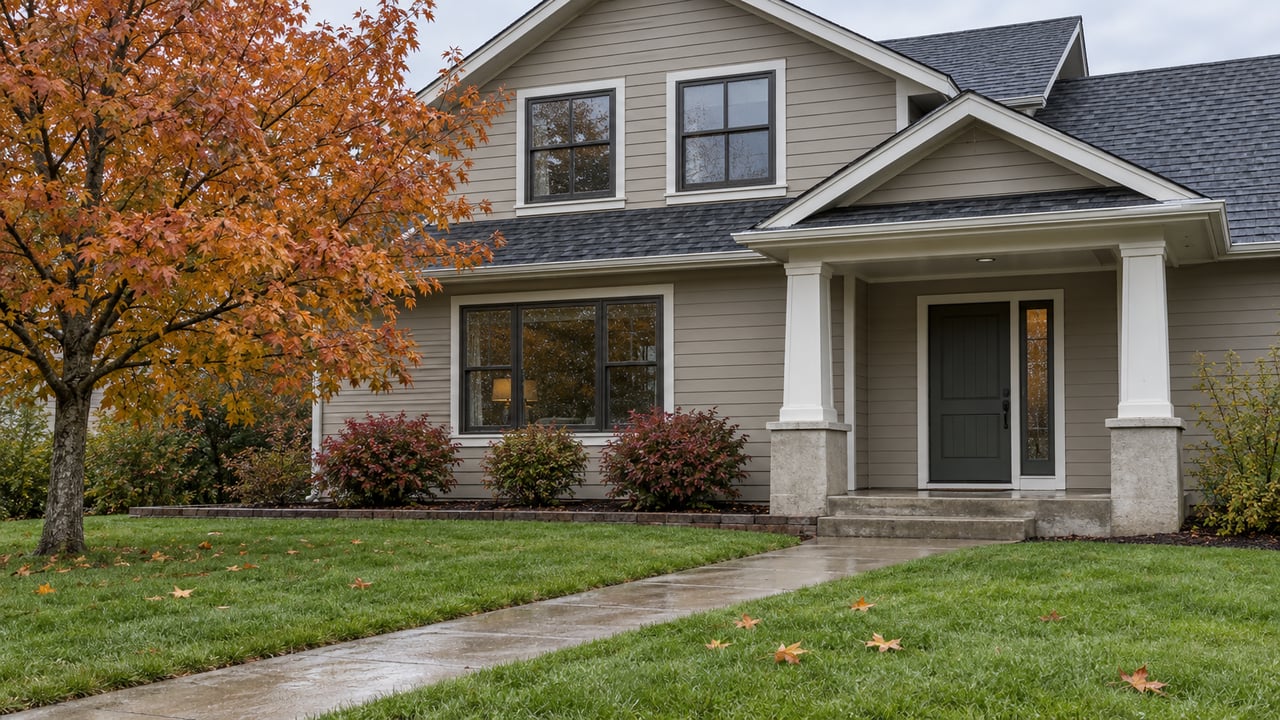
If you expect Meridian to fit one single housing mold, daily life here may surprise you. The city’s planning documents support a wide range of housing types, including large single-family homes, large-lot and estate homes, townhouses, condominiums, apartments, duplexes, workforce housing, rural or modular homes, and mixed-use housing above retail or office space.
That broader mix reflects a city that is changing as it grows. Meridian has historically looked more like a detached single-family suburban community, but higher-density housing has been increasing near employment areas, major roadways, and regional attractions. So while many people still picture Meridian through the lens of newer suburban neighborhoods, the housing landscape is becoming more varied.
A mostly owner-occupied market
Current data reinforces that suburban feel. Meridian’s owner-occupancy rate is 74.6%, with a median owner value of $531,600 and a median gross rent of $1,805. Those numbers point to a market where ownership is a major part of the housing story, while rental and attached-home options remain visible as the city expands.
For you as a buyer or seller, this means Meridian offers more than one kind of living experience. Some areas may feel centered on newer subdivisions and neighborhood parks, while others place you closer to major roads, employment zones, shopping, and mixed-use activity. The better question is not whether Meridian has one defining neighborhood style. It is which part of Meridian best matches how you want to live.
What everyday life in Meridian really feels like
Put it all together, and Meridian feels practical, active, and connected. It is a city where many people drive to work, use parks regularly, gather in places like Old Town and The Village, and live in neighborhoods shaped by both growth and long-term planning. It offers suburban comfort, but it also has more structure and variety than a simple bedroom community label suggests.
That is often what makes Meridian appealing to buyers and sellers alike. You get a city with strong regional access, a growing mix of housing, and a daily routine that can include green space, events, errands, and community gathering spots without needing an urban pace. If you are considering a move, understanding that everyday rhythm can help you decide whether Meridian fits the life you want to build.
If you want local guidance on Meridian neighborhoods, resale homes, or new construction opportunities, the Soldman Team is here to help you find the right fit.
FAQs
What is everyday commuting like in Meridian, Idaho?
- Everyday commuting in Meridian is primarily car-based, with regional routes like I-84, Eagle Road, Chinden Boulevard, and Kuna-Meridian Road playing a major role, and the average travel time to work is 22.4 minutes.
What parks are popular for daily life in Meridian?
- Discovery Park and Julius M. Kleiner Memorial Park are two major parks that support everyday recreation with walking paths, play areas, sports courts, event spaces, and other outdoor amenities.
What is Old Town Meridian like for everyday activities?
- Old Town Meridian serves as a local community hub with businesses, outdoor dining, sidewalk sales, and social activity that give the city a more connected and walkable central area.
What is The Village at Meridian used for besides shopping?
- The Village at Meridian functions as both a shopping district and a gathering place, with restaurants, open-air features, live music, events, and community programming.
What types of homes can you find in Meridian, Idaho?
- Meridian includes a wide range of housing types, from detached single-family homes and large-lot properties to townhomes, condos, apartments, duplexes, and mixed-use housing.
Is Meridian mostly a homeowner city or a renter city?
- Meridian is mostly owner-occupied, with a 74.6% owner-occupancy rate, though rental and multifamily options are also part of the housing landscape.