Trying to choose between a newer subdivision and an established neighborhood in Nampa? That decision can shape your day-to-day life just as much as the house itself. If you are weighing newer construction, shared amenities, older homes, or more character-filled streets, this guide will help you compare the tradeoffs clearly so you can focus on what fits you best. Let’s dive in.
Why this choice matters in Nampa
Nampa is growing quickly, with a 2024 population estimate of 117,350, and it remains a strongly owner-occupied market. As the city grows, buyers have more choices between newer planned communities and older parts of town with a longer development history.
That matters because “established neighborhood” in Nampa does not mean just one thing. The city identifies North Nampa, City Center, University District, and Old Nampa as historic neighborhoods or districts, which points to several different older neighborhood patterns rather than one single style of living.
What newer subdivisions in Nampa often offer
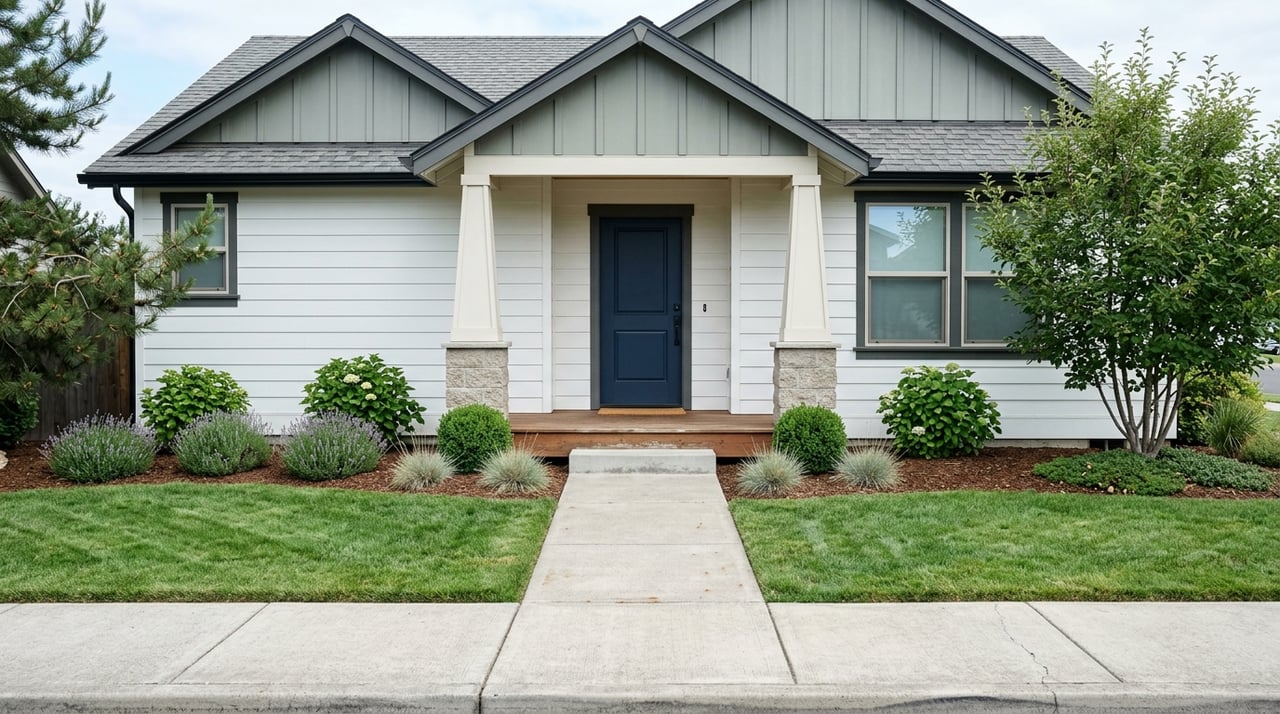
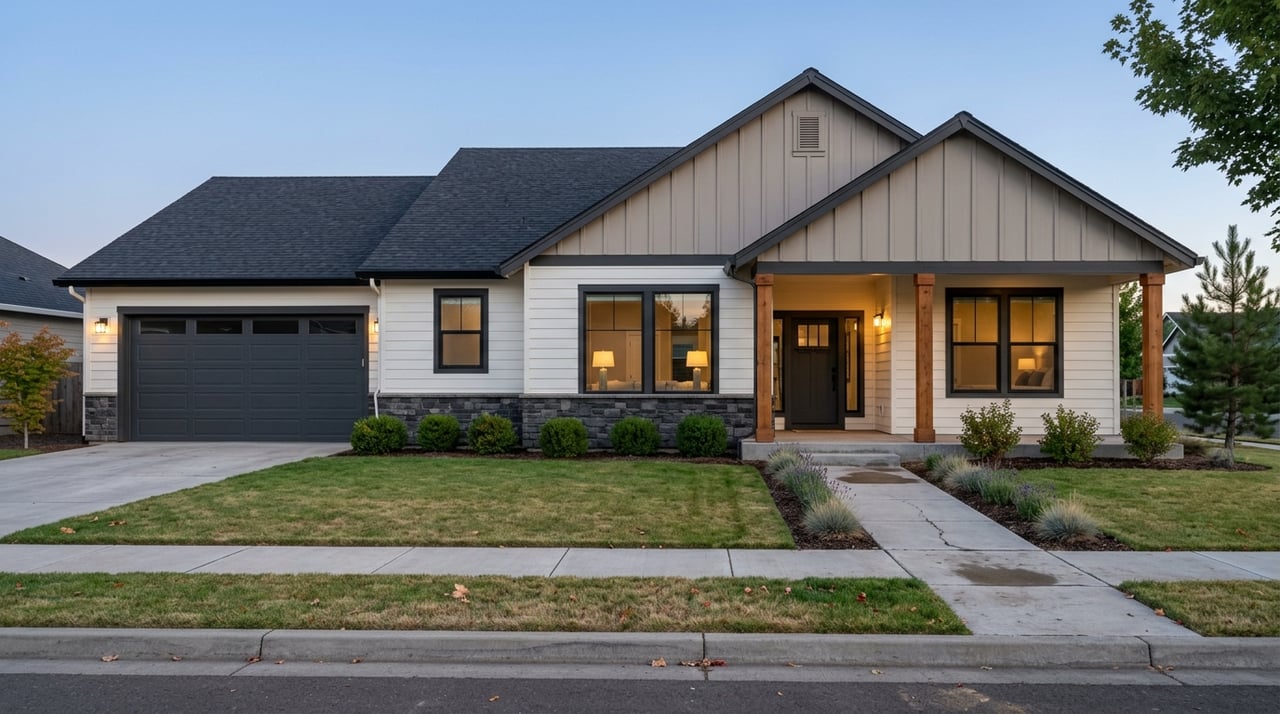
Many newer Nampa subdivisions are shaped by current city development rules that focus on density, lot size, landscaping, and open space. That helps explain why many of these neighborhoods feel more planned and more compact than older parts of the city.
In some zoning categories, standard subdivision lots can be as small as 4,000 square feet. Certain cluster or cottage-style formats can allow even smaller land areas per dwelling unit, which often means less private yard space around each home.
More shared amenities
In newer subdivisions, part of the tradeoff is often access to common features. Nampa defines subdivision open space as land set aside for recreation or environmental purposes, and examples can include walking paths, play areas, pools, recreation fields, courts, community gardens, and plazas.
For many buyers, that setup feels convenient. You may give up some private outdoor space, but gain amenities that are maintained as part of the community.
HOA responsibility is part of the picture
The city says subdivision open space is typically the responsibility of the HOA. That means if you are considering a newer neighborhood, you will want to understand not just the home, but also the community rules, dues, and upkeep structure.
In Idaho, HOA rules are not standardized statewide. The Idaho Real Estate Commission notes that homeowner associations are not regulated by the state in a way that creates one uniform set of rules, so each community’s documents matter.
A more uniform neighborhood feel
Depending on zoning and development type, newer Nampa projects can include detached single-family homes, duplexes, townhouses, and cluster or cottage formats. In many cases, that leads to a more consistent streetscape and a more standardized site plan.
That kind of layout can feel appealing if you want predictability in how the neighborhood looks and functions. It can also simplify your search if you prefer newer finishes and a more current floor plan style.
What established Nampa neighborhoods often offer
Established neighborhoods in Nampa often appeal to buyers who want architectural variety, older homes, and a stronger connection to the city’s earlier development patterns. These areas can feel less uniform and more rooted in local history.
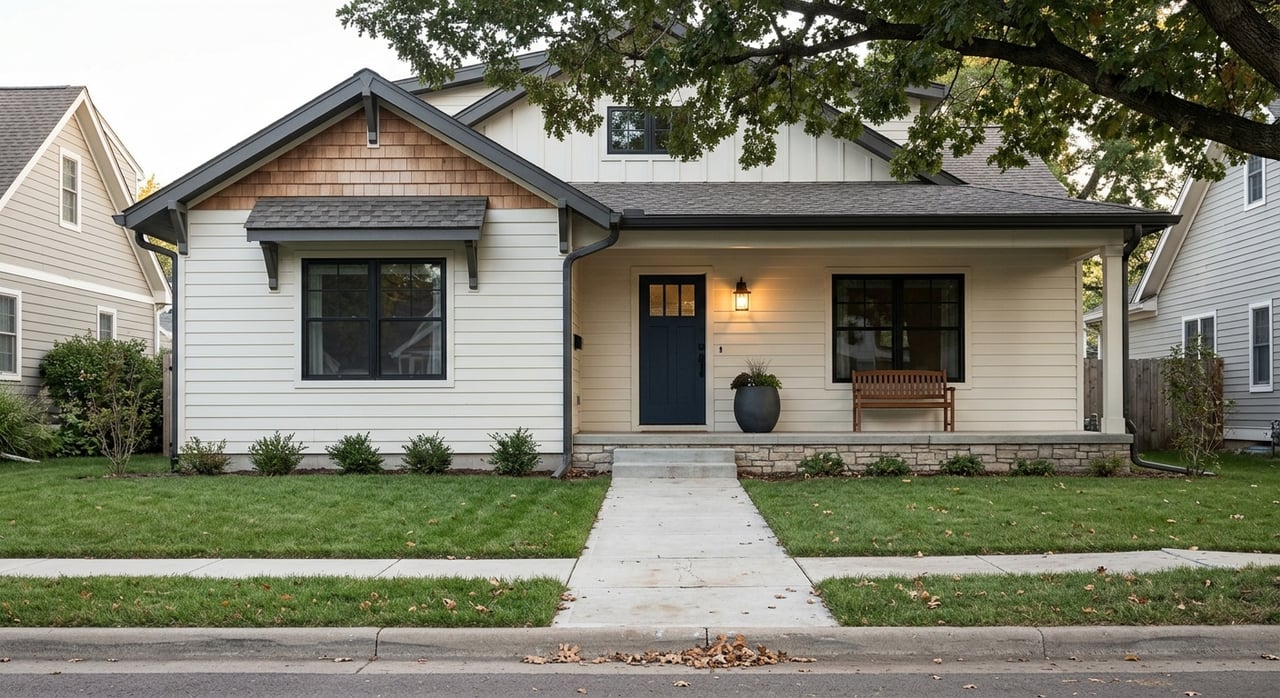
Old Nampa is a strong example. It is one of the city’s first subdivisions, and the Old Nampa Historic District is made up largely of Craftsman and bungalow plan-book and kit homes built between 1920 and 1940, along with other early twentieth-century homes with Craftsman and Victorian influence.
More character and historical texture
If you are drawn to original details, older street patterns, and homes that do not all look alike, established areas may be a better fit. In Nampa, older neighborhoods can offer a stronger sense of place because they developed in a different era and often closer to the city’s historic core.
That does not mean every established area looks the same. North Nampa, City Center, University District, and Old Nampa each reflect different neighborhood forms and histories.
Less planned open space, more traditional urban fabric
One major difference between older and newer areas is how open space was built into the neighborhood. The Old Nampa plan notes that the district core had almost no public open space and developed as an early residential area around downtown.
That stands in contrast to newer subdivisions, where open space is now part of the development review process. So if green space and recreation features inside the neighborhood are important to you, newer communities may check that box more often.
The maintenance tradeoff to think through
For many buyers, the biggest difference between newer subdivisions and established neighborhoods is maintenance. A newer home may offer a shorter immediate repair list, while an older home may require more regular attention, even when it has been cared for well.
That is especially important in Nampa’s climate. In Southwest Idaho, freeze and hard-freeze conditions are normal seasonal factors, so exterior drainage and weatherproofing deserve close attention on any home, especially an older one.
Older homes may need more ongoing care
Guidance for historic properties emphasizes maintaining and repairing existing materials rather than replacing them unnecessarily. Features such as windows, roofs, and gutters are specifically noted as maintenance-sensitive.
If you are considering an established home, it helps to budget not just for the purchase, but for ongoing upkeep. Character can be a major plus, but it usually comes with more hands-on responsibility over time.
Newer homes still require document review
A newer home does not automatically mean risk-free. For certain residential construction and newly constructed property contracts over $2,000, Idaho requires a contractor disclosure statement that addresses topics such as lien-waiver rights, insurance proof, title-insurance options, and surety-bond rights.
If you are buying new construction in Nampa, that paperwork matters. It is one more reason to review builder documents carefully and understand the process before you commit.
Newer subdivision or established neighborhood?
The best choice usually comes down to your lifestyle, budget, and tolerance for upkeep. Neither option is better across the board. The right fit depends on how you want to live and what kind of tradeoffs you are comfortable making.
Here is a simple side-by-side view:
| Factor | Newer Subdivisions | Established Neighborhoods |
|---|---|---|
| Neighborhood layout | More planned and often more compact | More varied and shaped by older development patterns |
| Yard vs amenities | Often smaller private yards with shared amenities | Often more traditional lot patterns, but fewer built-in common amenities |
| Home styles | Can be more standardized in look and layout | Often more architectural variety and older design details |
| HOA involvement | More likely to include HOA governance and dues | May have less HOA structure, depending on area |
| Maintenance | Often a smaller immediate repair list | Often more ongoing upkeep, especially on older materials |
| Sense of history | Usually newer community identity | Often stronger historical texture and in-town character |
Questions to ask before you choose
If you are deciding between these two paths, ask yourself a few practical questions before narrowing your search.
Do you want private yard space or shared amenities?
Some buyers want room to spread out in their own yard. Others would rather have access to paths, play areas, or other shared features without maintaining as much private outdoor space.
Are HOA rules acceptable to you?
Because HOA terms are document-specific in Idaho, you will want to read the CC&Rs, dues, and fee language closely. The Idaho Attorney General has also stated that transfer fees must be explicitly disclosed in HOA governing documents, and management companies cannot charge undisclosed transfer fees.
How much maintenance time and budget do you have?
This is one of the most important questions in Nampa. If you love the look and feel of an older home, make sure you also have room in your budget and schedule for the kind of ongoing care older properties may need.
Are you buying new construction or resale?
That choice affects what you should review during the transaction. Resale buyers should understand Idaho’s Property Condition Disclosure Act materials, while new-construction buyers should pay attention to contractor disclosure requirements and builder paperwork.
How to make the right move in Nampa
In Nampa, newer subdivisions often fit buyers who want a more planned neighborhood, shared open space, and fewer immediate repair concerns. Established neighborhoods often fit buyers who value character, architectural variety, and local history and feel comfortable taking on more upkeep.
The good news is that both options can work well, depending on your priorities. If you take the time to weigh yard space, amenities, HOA governance, maintenance, and whether the home is new or resale, you can narrow your search with much more confidence.
If you want help comparing Nampa neighborhoods, builder communities, or resale options, the Soldman Team can guide you through the tradeoffs and help you find the right fit for how you want to live.
FAQs
What is the main difference between newer subdivisions and established neighborhoods in Nampa?
- Newer subdivisions in Nampa are often more planned, more compact, and more likely to include shared open space or amenities, while established neighborhoods often offer older architecture, more variety, and a stronger historical feel.
What should buyers know about HOA rules in newer Nampa subdivisions?
- HOA rules and fees are specific to each community in Idaho, so you should review the CC&Rs, dues, and transfer-fee language carefully before buying.
What types of homes are common in established Nampa neighborhoods?
- Established Nampa areas can include older home styles and more architectural variety, with Old Nampa known for Craftsman, bungalow, and other early twentieth-century homes.
Are older homes in Nampa more expensive to maintain?
- Older homes can require more ongoing maintenance, especially for items like windows, roofs, gutters, drainage, and weatherproofing.
What should buyers review when choosing between new construction and resale in Nampa?
- Buyers should review builder and contractor disclosures for new construction and understand seller disclosure requirements for resale homes under Idaho’s property condition disclosure framework.