Imagine stepping out your front door and joining a tree‑lined path that runs for miles along the Boise River. If you’re drawn to a low‑stress commute, weekend bike rides, or easy access to parks and downtown, the Boise River Greenbelt is a powerful lifestyle magnet. At the same time, living close to the river brings a few extra decisions around flood risk, HOAs, and privacy. This guide shows you what everyday life looks like, where you might live, and what to verify before you buy. Let’s dive in.
What the Greenbelt is
The Boise River Greenbelt is a continuous, primarily non‑motorized pathway that follows the Boise River for roughly 25 miles through Boise and nearby jurisdictions. It connects major parks, neighborhoods, and downtown, and is maintained by the City of Boise Parks & Recreation with help from partners and neighboring cities. You’ll find regular users walking, running, cycling, and accessing seasonal water recreation.
Living “near” the Greenbelt is a spectrum. Some homes sit directly on the river with private stairs, while others are a block or two from a pathhead or bridge. Your exact proximity shapes views, privacy, trail noise, and how fast you can reach the water or downtown.
Everyday life near the path
Recreation and river access
You can walk, run, and bike along connected segments that tie together parks like Ann Morrison, Julia Davis, and Barber Park. In warm months, the river supports tubing, fishing, and non‑motorized boating at designated put‑in and take‑out points. River levels change with the seasons and are influenced by upstream reservoirs, which can also affect flood control and access. If you plan heavy river use, keep an eye on seasonal advisories.
Dining and culture connections
Many segments sit close to vibrant spots. Downtown Boise and the Boise State area offer restaurants, museums, and nightlife. North End and Hyde Park have cafés and independent shops. West of downtown, Garden City features breweries and riverfront dining. Not every section is next to shops, though. Some stretches feel quiet and residential, which many homeowners prefer.
Getting around Boise
The Greenbelt is a low‑stress corridor for biking and walking that links to the broader bike network and several arterials. Many residents use it to reach downtown, the university, and nearby employment centers. For longer drives, you’ll still rely on I‑84, the I‑184 connector, and major surface streets. Valley Regional Transit serves key corridors and downtown, with bus stops located along arterials rather than on the path itself.
Safety and seasonality
Trail use and visibility are strongest during the day, especially near parks and bridges. Some sections see fewer people at night, and lighting varies by location. The City schedules maintenance and may close segments for repairs, seasonal debris, ice, or flood impacts. Like many urban trails, you may find occasional litter or encampments in isolated areas, with frequency varying by section and time.
Housing you’ll find nearby
Common property types
- Historic single‑family homes, including craftsman and bungalows, especially near the North End and central neighborhoods.
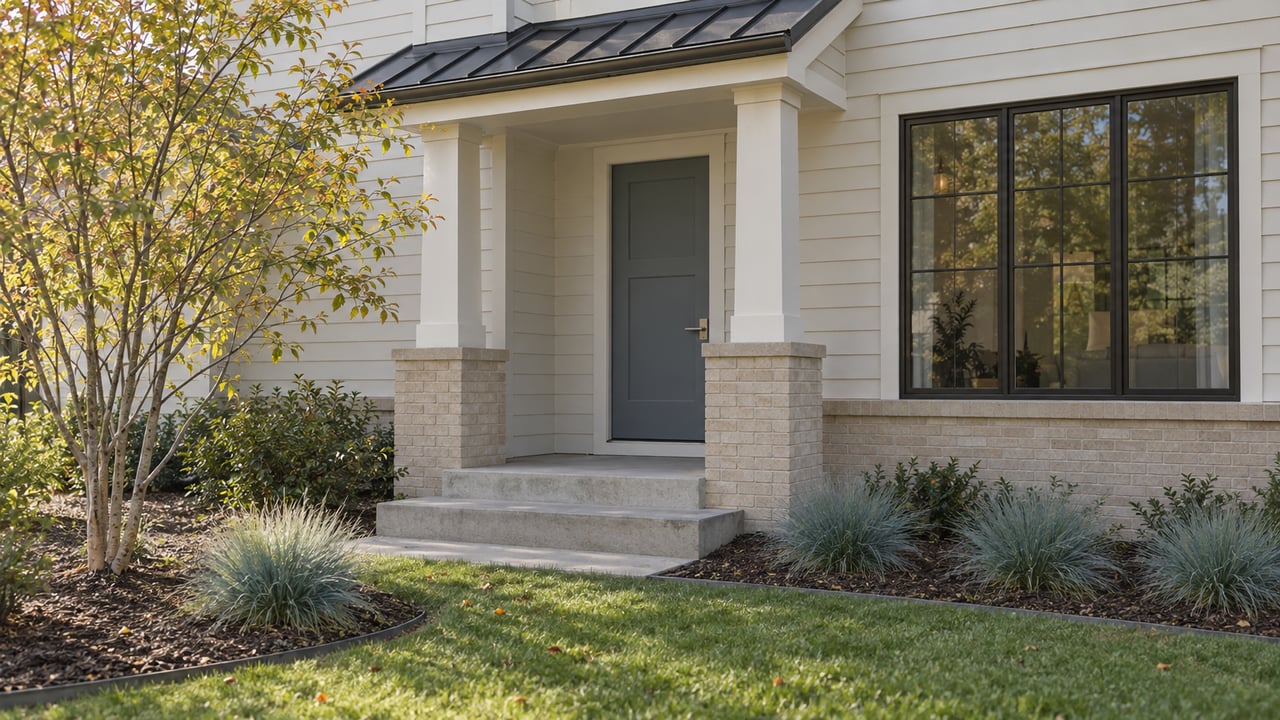
- Infill and lot redevelopments, with modern two‑story homes or skinny homes on established streets.
- Condominiums and townhomes, often near downtown, the riverfront, and parts of Garden City.
- Newer single‑family subdivisions and multifamily communities within a short ride or walk to the path.
Neighborhood snapshots
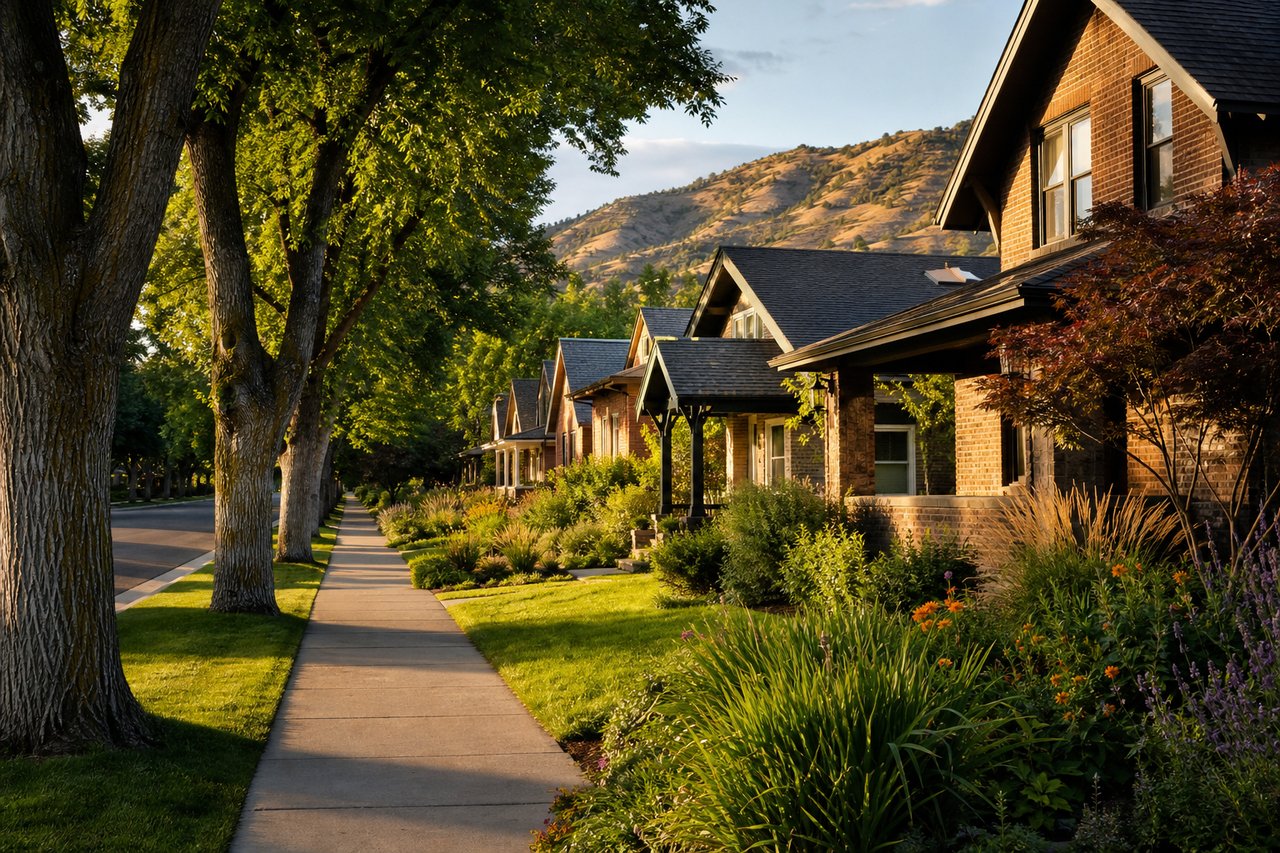
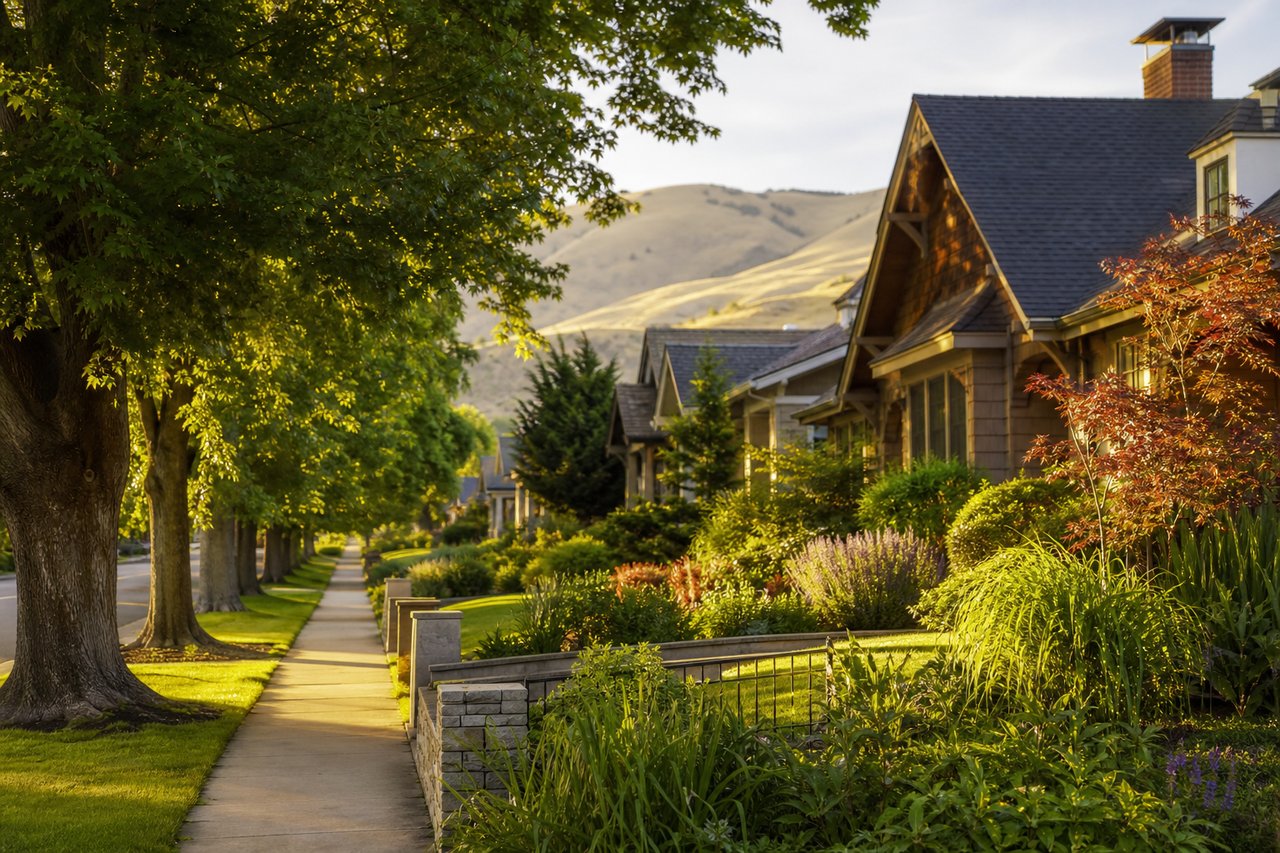
- North End and Hyde Park: tree‑lined streets with historic homes and convenient access points to the river corridor.
- Downtown and Boise State area: denser housing with condos and townhomes, plus cultural amenities and some river‑view properties.
- Garden City and west segments: a mix of light industrial pockets, breweries, dining nodes, and newer multifamily along the water.
- Bench and southeast neighborhoods: more traditional single‑family feel, with selected trailheads and river access nearby.
Proximity tradeoffs
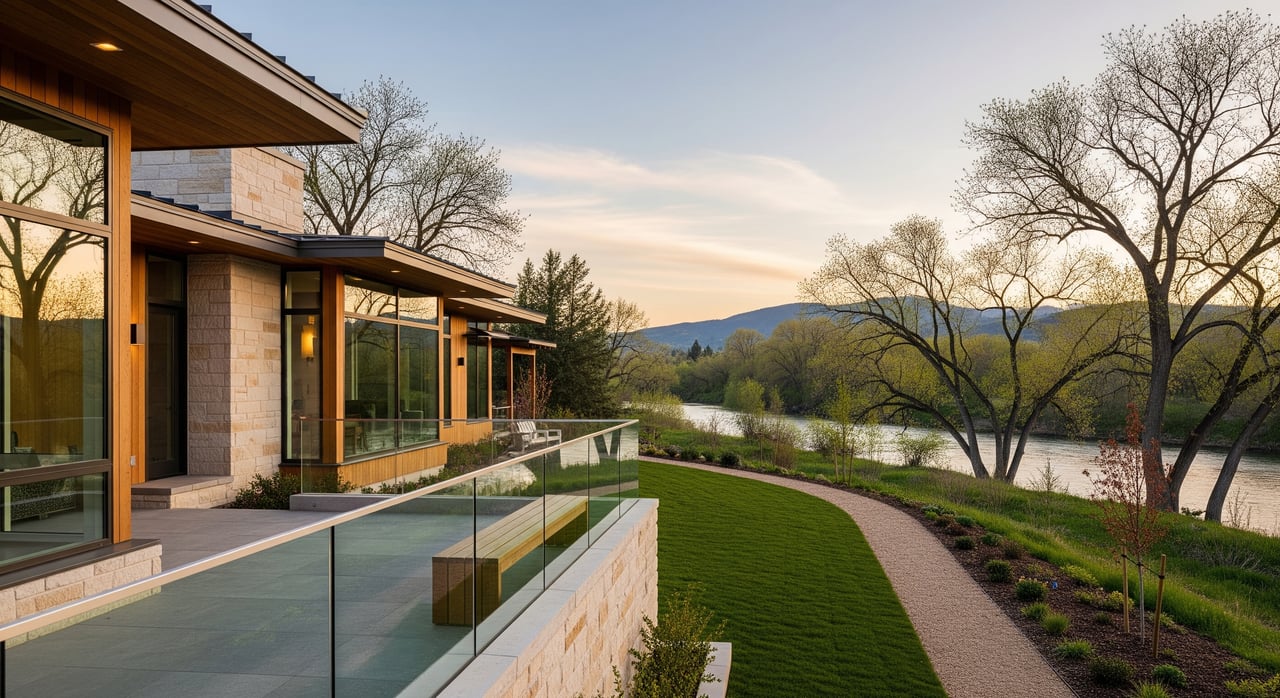
Direct riverfront properties may offer views and quicker access to the path, and occasionally private stairs or shared features. Setbacks, riparian buffers, and public easements can shape how you fence, landscape, and build. Homes a block or two back may trade river views for greater privacy and reduced foot traffic.
Ownership must‑knows
Flood risk and insurance
Parts of the river corridor fall within FEMA floodplains. Lenders may require flood insurance depending on the property’s flood zone, and you can request an elevation certificate to clarify risk. Always review flood maps and ask for insurance quotes during due diligence.
Easements and setbacks
Portions of the Greenbelt and riverbank are public right‑of‑way. Some private parcels include public easements for trail or utility access. Review the title report, recorded plats, and any surveys to understand boundaries, encroachments, and restrictions before you finalize your offer.
HOAs and how to read them
HOAs are common in newer condos, townhomes, and planned communities near the river, while older single‑family areas may not have them. Review CC&Rs, budgets, reserve studies, special assessment history, rental and pet policies, parking rules, and exterior modification guidelines. If the property shares stairs or access to the river, confirm maintenance responsibilities and cost sharing.
Privacy, noise, and foot traffic
High‑use sections near parks and popular bridges draw more walkers and cyclists, especially on weekends and sunny evenings. If you prefer quiet, consider homes set back from trailheads or with natural screening. Plan to visit at different times of day to get a true feel.
Upkeep and long‑term maintenance
Near‑river homes can face unique upkeep, like bank stabilization, erosion control, and post‑runoff landscaping repairs. Exterior maintenance can also be more frequent. Build these possibilities into your budget and ask sellers what they’ve addressed over time.
Price and resale expectations
In general, homes with direct riverfront, strong walkability to downtown, scenic views, or addresses in highly sought‑after areas tend to command a premium. Properties several blocks away or on quieter, less connected segments can show more modest behavior. On resale, Greenbelt proximity is a selling point for buyers who value outdoor access and active transportation. Keep in mind that floodplain changes or repeated trail closures can influence buyer sentiment.
Buyer checklist to use on tours
- Proximity and access
- Walk the route to the path and river at morning, evening, and weekend times. Confirm if there are stairs, a public trailhead, or only nearby access points.
- Flood and environment
- Review FEMA and city flood maps and ask about prior flood claims. If you plan to float or paddle, note seasonal water quality advisories.
- Easements and setbacks
- Read the title report and survey for public access or utility easements and riparian setbacks. Confirm whether current fences or landscaping encroach.
- HOA review
- Study CC&Rs, budgets, reserves, rules on rentals and exterior changes, and any shared river access agreements.
- Neighborhood character and use
- Visit during park events or peak weather to gauge parking, trail noise, and pedestrian and bike traffic.
- Insurance and maintenance
- Get quotes for homeowners and flood insurance. Ask for a maintenance history related to riverbank or path adjacency.
- Commuting and services
- Map your routes to employment centers, check Valley Regional Transit schedules, and note distances to parks, groceries, and medical services.
Is Greenbelt living right for you?
If you want a daily dose of nature with quick access to downtown Boise, the Boise River Greenbelt can be a perfect fit. You’ll balance the benefits of recreation and convenience with practical steps on flood, HOAs, and privacy. With the right guidance and due diligence, you can find a spot that matches how you live now and how you plan to live in the years ahead.
Ready to explore neighborhoods and floor plans that fit your lifestyle and budget near the river? Connect with the Soldman Team to compare options, review due diligence, and tour the right homes at the right times.
FAQs
Do I need flood insurance for a Boise River home?
- It depends on FEMA flood zone and your lender’s policy. Review flood maps, request an elevation certificate if needed, and get quotes during due diligence.
Will people have legal access behind my riverfront home?
- Some parcels include public easements or sit next to Greenbelt right‑of‑way. Verify boundaries and any recorded easements in the title report and survey.
Are HOAs common near the Boise Greenbelt?
- HOAs are common in condos, townhomes, and planned communities by the river. Fees and rules vary, so read CC&Rs, budgets, and reserves before you buy.
Is the Boise Greenbelt safe at night?
- Daytime use is strong, and lighting varies by section. Visit in the evening to assess visibility and your comfort level in specific areas.
Will I hear noise or see crowds near my home?
- Sections by parks and bridges can be busy during warm weather and weekends. Homes set back from trailheads or on quieter segments often feel more private.