Thinking about a move to Star, Idaho? If you want more elbow room, a quieter daily pace, and a community that still feels connected to open land, Star may already be on your shortlist. The key is knowing what life there really looks like, from housing options and recreation to commute patterns and future growth. Let’s dive in.
What Living in Star Feels Like
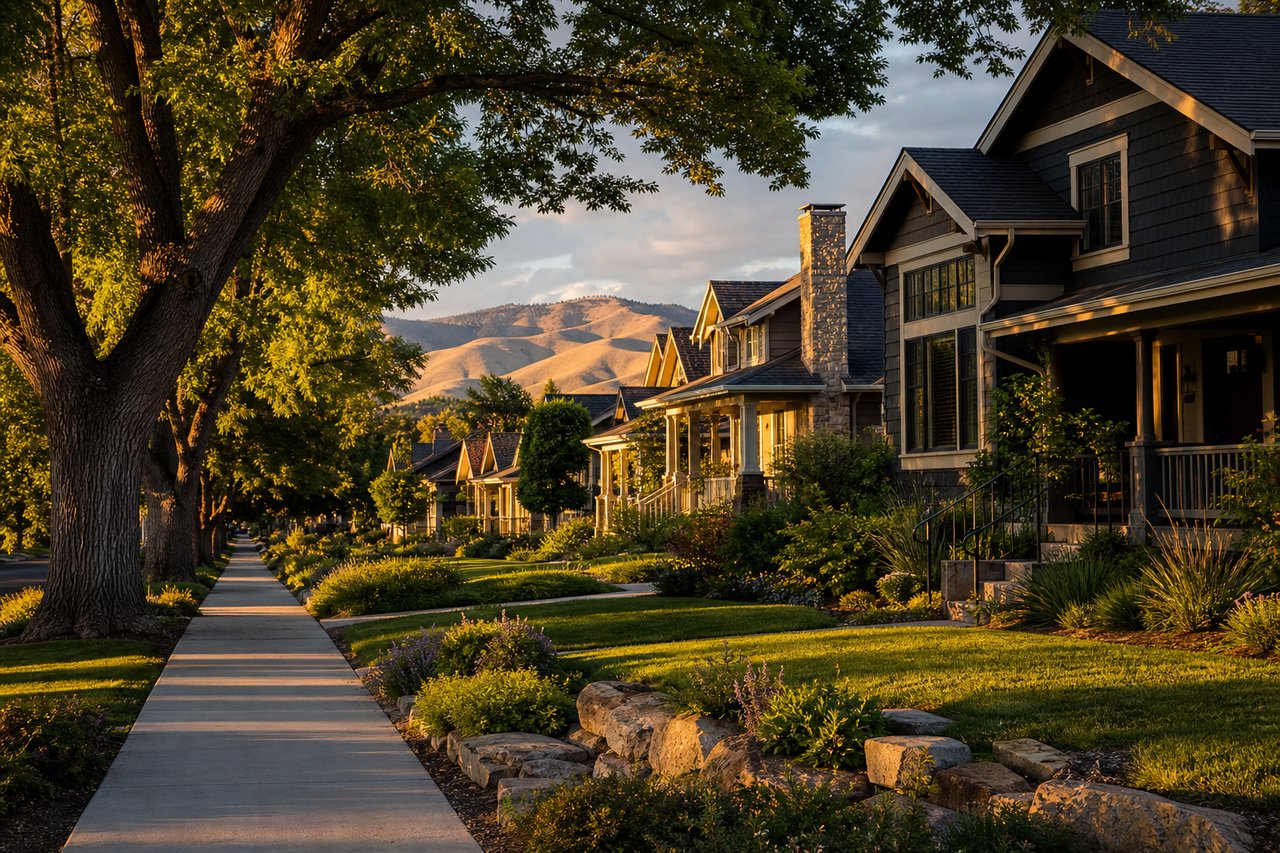
Star is best understood as a small-town Treasure Valley community that is planning for continued growth. City planning documents show a wide range of future land uses, from rural residential and estate rural residential to neighborhood, compact, and high-density residential areas.
That matters because Star is not just one type of place. Depending on where you look, you may find areas designed to preserve a rural feel near open land, along with planned neighborhoods and a downtown core that is still evolving around State Street, Star Road, and Main Street.
If you are trying to decide whether Star fits your lifestyle, the big draw is often space. Compared with denser parts of the Treasure Valley, Star can offer a less compressed feel and a slower rhythm, especially if you are looking for a home with a larger lot or a more semi-rural setting.
Why Buyers Consider Star
For many buyers, Star stands out because it offers a different pace than more built-out communities nearby. You can still be part of the Treasure Valley while choosing an area that leans more community-scale than city-scale.
That can be especially appealing if you are relocating, working from home at least part of the week, or simply want a property that gives you more room to spread out. If your priorities include privacy, outdoor access, and a setting that feels less crowded, Star deserves a close look.
Star Housing Options
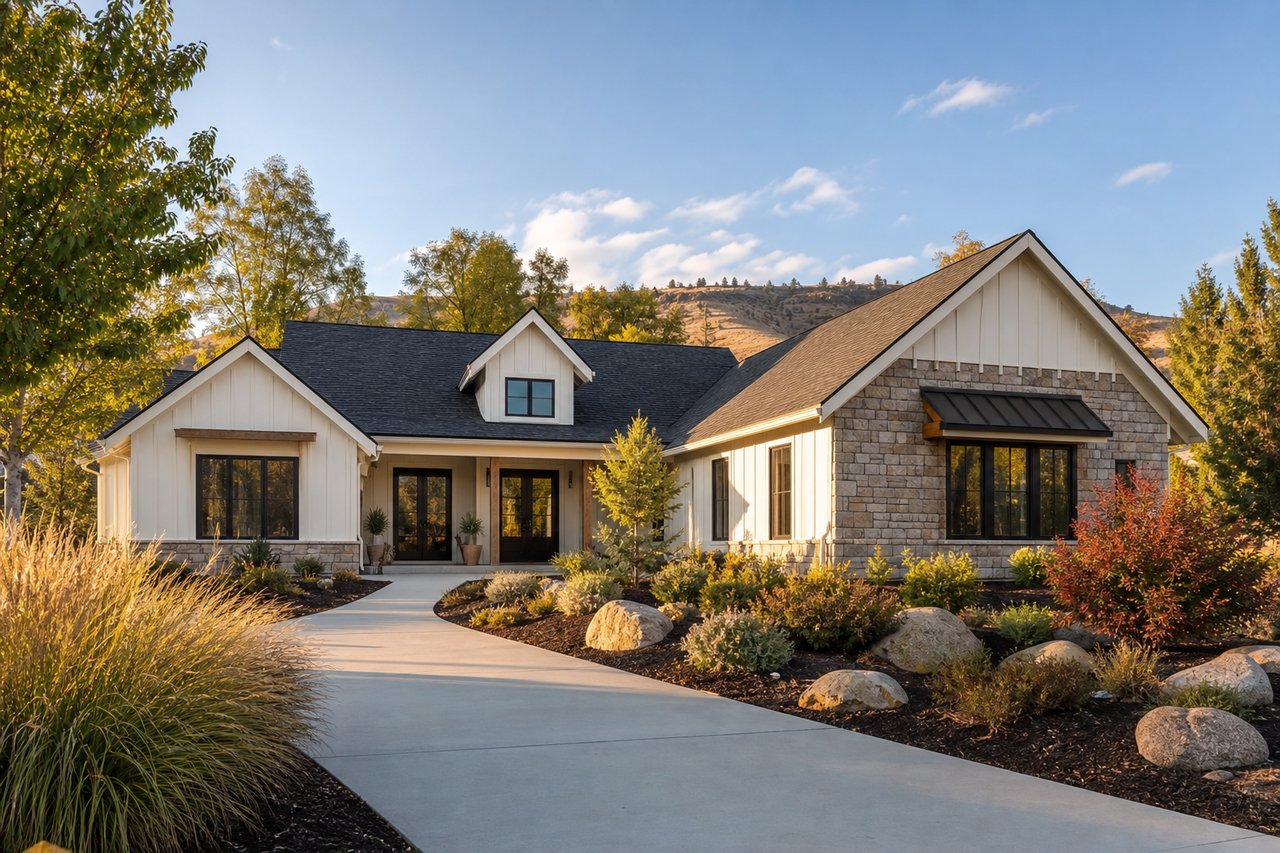
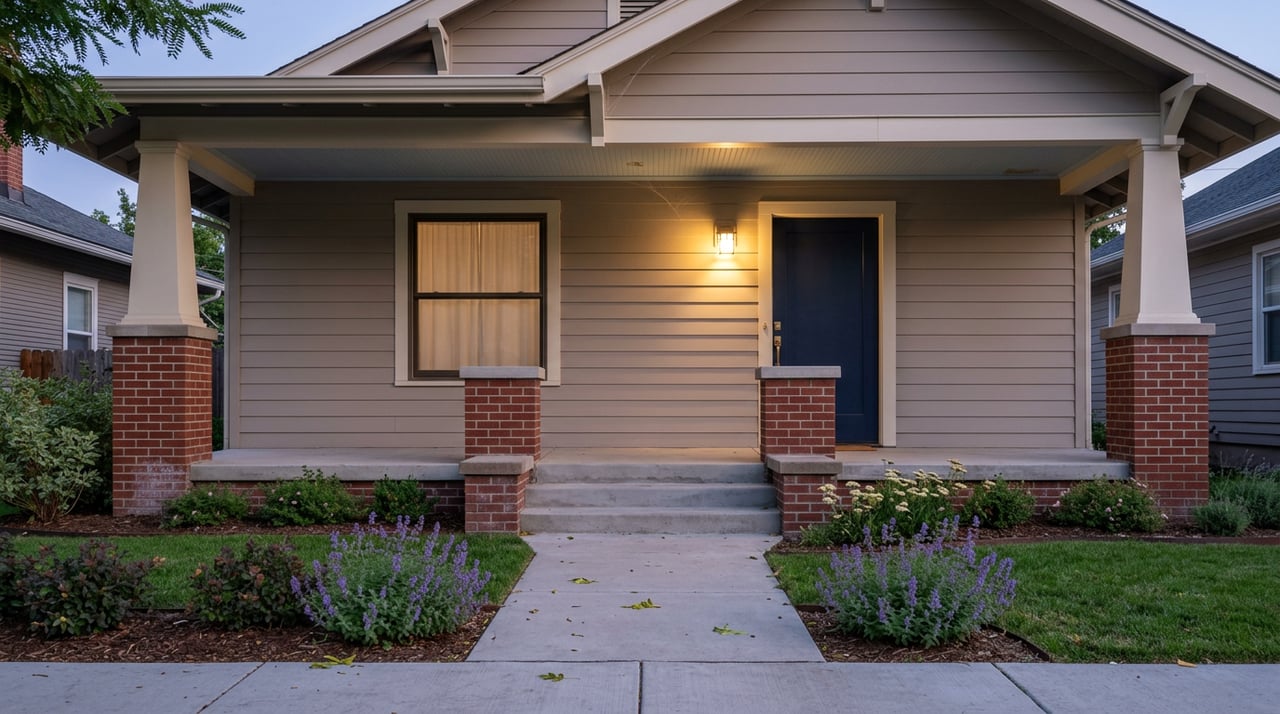
One of Star’s biggest strengths is variety. The city’s future land-use planning includes everything from larger rural residential parcels at one unit per 2 to 5 acres to compact and high-density residential areas at 5 to 10 units per acre and beyond.
In practical terms, that means your home search in Star may include several different paths:
- Planned neighborhood homes
- Subdivision-style development
- Larger-lot properties
- Acreage-oriented parcels
- Lot and land opportunities in areas shaped for future growth
The city’s planning framework also makes room for rural single-family use near agricultural or open-land edges. That supports the idea that some parts of Star are intended to maintain a more open, semi-rural character rather than follow conventional subdivision density.
Is Star a Good Fit for New Construction?
Star can be especially attractive if you are considering new construction or want flexibility in the type of property you buy. Planning materials and active development references point to a market that includes both established neighborhood patterns and newer projects.
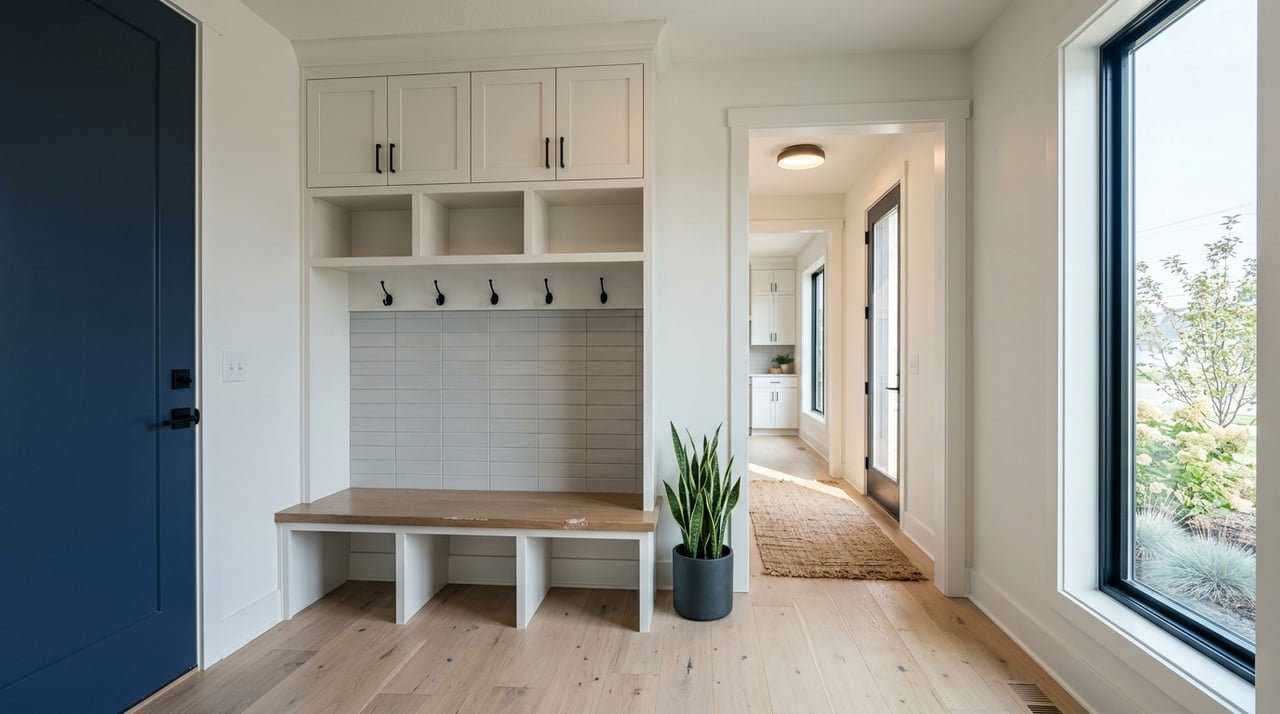
If you are comparing resale homes with a build opportunity, Star gives you a broader range than some buyers expect. You may be able to choose between move-in-ready homes, homes in planned communities, or properties where lot size and land use are a bigger part of the decision.
That said, buying in a growth area takes careful review. Details like lot placement, surrounding land use, commute patterns, and long-term area planning can shape how a property feels over time.
Commute Expectations in Star
One of the most important trade-offs in Star is transportation. Star is car-oriented, and State Highway 44 functions as a major regional commuter corridor connecting areas north of the Boise River between Ada and Canyon counties.
Idaho Transportation Department projects along SH-44 are focused on relieving congestion and improving mobility. Corridor planning notes also show that traffic volumes on this route are expected to nearly double by 2050, which gives you a sense of how important this roadway is to daily life in Star.
The city’s traffic analysis projected 42% growth in internal traffic under its build-out assumptions. It also found that some road segments could become unacceptable without improvements.
For you as a buyer, the takeaway is simple: Star offers a quieter setting, but commuting often means driving on regional arterials, and peak-hour delays are part of the equation. If you work in Boise, Meridian, Eagle, or other parts of the Treasure Valley, it is smart to test likely drive times before you commit.
Parks and Outdoor Access
If outdoor lifestyle matters to you, Star has a strong case to make. For a smaller community, it has a clear connection to riverfront recreation and nearby regional destinations.
Star Riverwalk Park
Star Riverwalk Park is a 4.76-acre Boise River park with a walking path, fishing access, picnic areas, shaded seating, benches, and restrooms. It gives residents an in-town place to get outside without needing to drive far.
Freedom Park
Freedom Park adds to that identity as one of the city’s larger recreational areas being built out with natural landscapes, fish-stocked ponds, and kayak and paddleboard access. Together, these parks help define Star as a community with meaningful local outdoor access.
Nearby Regional Recreation
If you want even more options, Eagle Island State Park is nearby with a swimming beach and more than five miles of trails. Beyond that, larger regional destinations such as Boise National Forest and the Owyhee Canyonlands expand the menu for hiking, biking, camping, water activities, horseback riding, and seasonal recreation.
For many buyers, this combination is a major lifestyle benefit. You get a small-town home base with access to both local parks and bigger adventure options across the region.
Everyday Amenities in Star
Star is not trying to be a full urban center, and that is part of its appeal for many residents. The city has a modest but meaningful amenity base that supports everyday life and community connection.
The Star Branch Library offers internet access, Wi-Fi from the parking lot, downloadable media, and weekly programming for preschoolers through adults. That kind of civic resource says a lot about the town’s scale: practical, local, and community-oriented.
At the same time, the city is actively shaping a downtown vision for the core around State Street, Star Road, and Main Street. That suggests the town center is still evolving, which can be exciting if you like the idea of living in a place that is growing and defining itself over time.
Who Star May Suit Best
Star may be a strong fit if you are looking for:
- More space than you typically find in denser Treasure Valley areas
- A quieter, community-scale setting
- Access to riverfront parks and outdoor recreation
- A choice between planned neighborhoods and larger-lot properties
- A location that still feels connected to open land
Star may require more thought if your top priority is minimizing drive time or living in a fully built-out urban environment. The same features that make Star attractive, like room to grow and a slower pace, can also come with longer drives and a more car-dependent routine.
Questions to Ask Before Moving to Star
Before you buy in Star, it helps to get specific about how you want to live day to day. A home can look perfect on paper, but the right location depends on your routine, priorities, and long-term plans.
Ask yourself:
- How much lot size or privacy do you really want?
- Are you open to a car-oriented lifestyle?
- How often will you commute during peak hours?
- Do you prefer a planned neighborhood or a more acreage-oriented property?
- How important is nearby outdoor recreation?
- Are you comfortable buying in an area that is still growing and changing?
These questions can help you narrow not just whether Star is right for you, but which part of Star fits best.
Final Thoughts on Moving to Star
Star, Idaho can be a great next move if you want a blend of space, outdoor access, and a small-town feel within the Treasure Valley. Its housing mix, riverfront recreation, and growth potential make it worth serious consideration, especially if you value room to breathe and do not mind the realities of a car-based commute.
The best way to decide is to look beyond the listing photos and think about how you want your everyday life to feel. If you want help comparing neighborhoods, evaluating lot options, or weighing resale versus new construction in Star, the Soldman Team can help you make a confident move.
FAQs
Is Star, Idaho a rural area or a suburb?
- Star is a small-town Treasure Valley community with both semi-rural and neighborhood-style housing patterns. City planning includes rural residential, low-density, neighborhood, compact, and higher-density areas.
What kinds of homes can you find in Star, Idaho?
- Star offers a mix of planned neighborhoods, subdivision-style homes, larger-lot properties, acreage-oriented parcels, and areas planned for future residential growth.
What is the commute like from Star, Idaho?
- Star is car-oriented, and many daily trips rely on regional arterials like SH-44. Traffic planning documents show congestion is a factor and is expected to remain important as the area grows.
Does Star, Idaho have parks and outdoor recreation?
- Yes. Star Riverwalk Park and Freedom Park support local riverfront recreation, and nearby regional options include Eagle Island State Park, Boise National Forest, and the Owyhee Canyonlands.
Is Star, Idaho a good place to consider new construction?
- It can be. City planning and active development references suggest a mix of existing neighborhoods and newer growth areas, which can appeal to buyers considering new construction or lot selection.
Are there everyday amenities in Star, Idaho?
- Yes, though they are more community-scale than urban-scale. Local amenities include the Star Branch Library and an evolving downtown core around State Street, Star Road, and Main Street.